Honoring Sacrifice
the Stories of Remembrance
Join Us in a Journey Through History to Understand the Significance of Remembrance Day
About UpperRoom - Remembrance Day
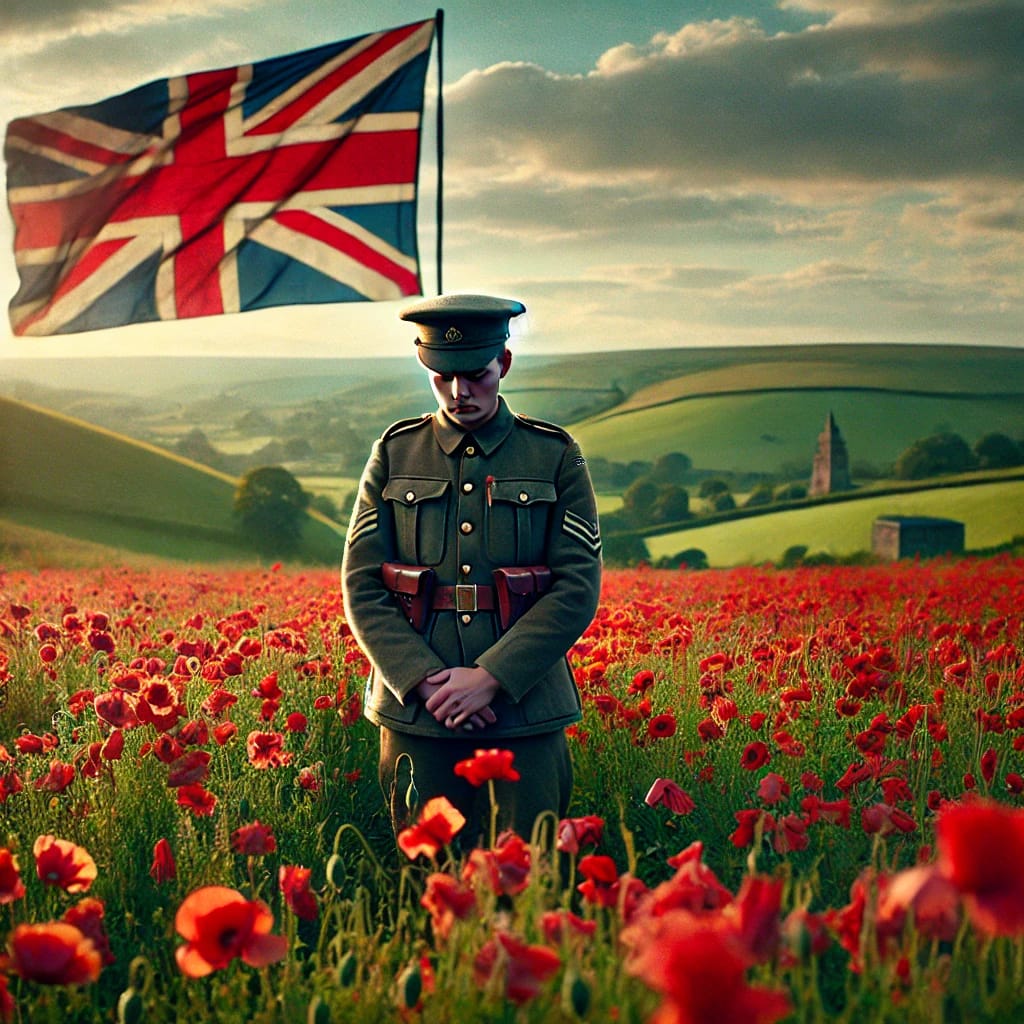
At UpperRoom, we honor the sacrifices made during the World Wars. Our mission is to educate and reflect on Remembrance Day, exploring its significance and the human cost of conflict. Join us in a journey through history to understand the importance of remembering those who served and the lessons learned from our past.
Understanding Remembrance Day: A Tribute to Sacrifice and Valor
The Historical Context
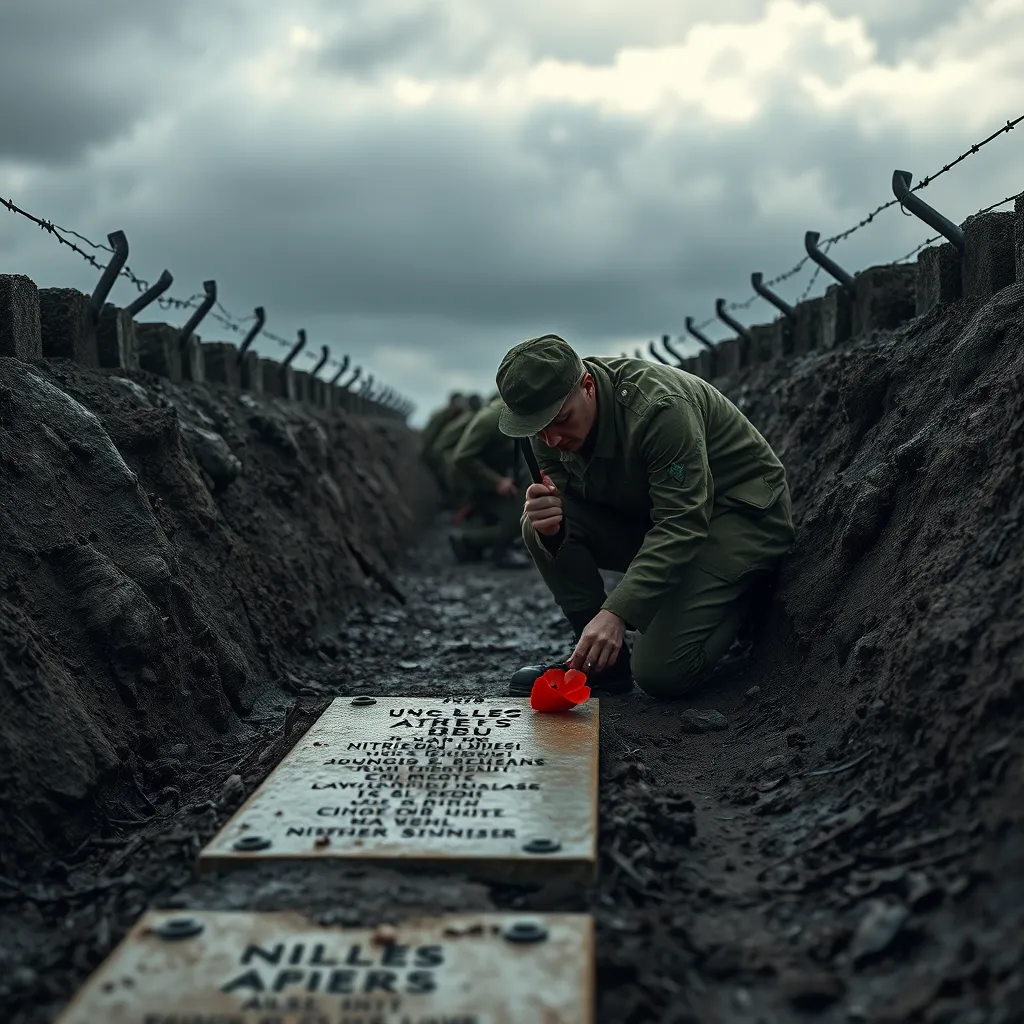
Remembrance Day commemorates the sacrifices made by military personnel during the World Wars and other conflicts. It serves as a reminder of the horrors of war and the importance of peace and reconciliation.
The Symbolism of the Poppy
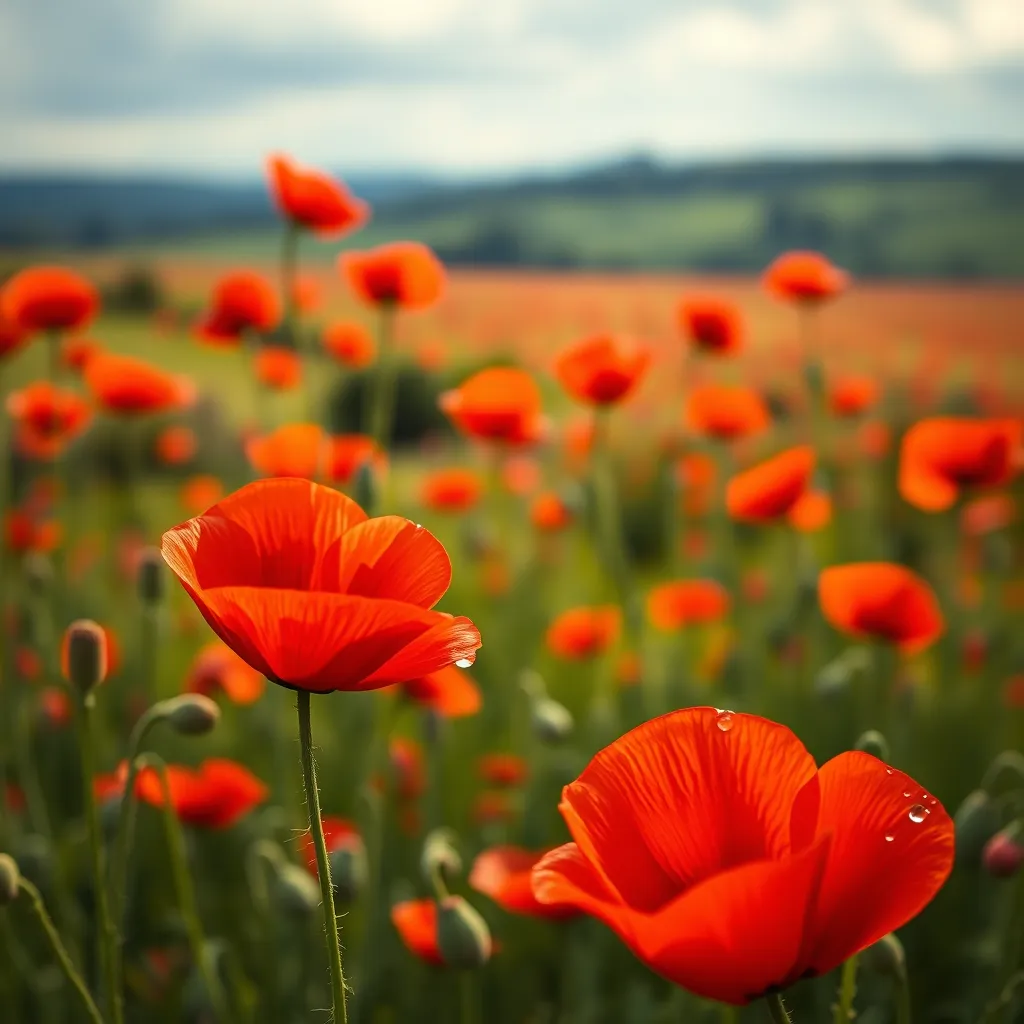
The red poppy has become a universal symbol of remembrance for those who lost their lives in military service. It represents resilience and hope, growing in the fields where battles were fought.
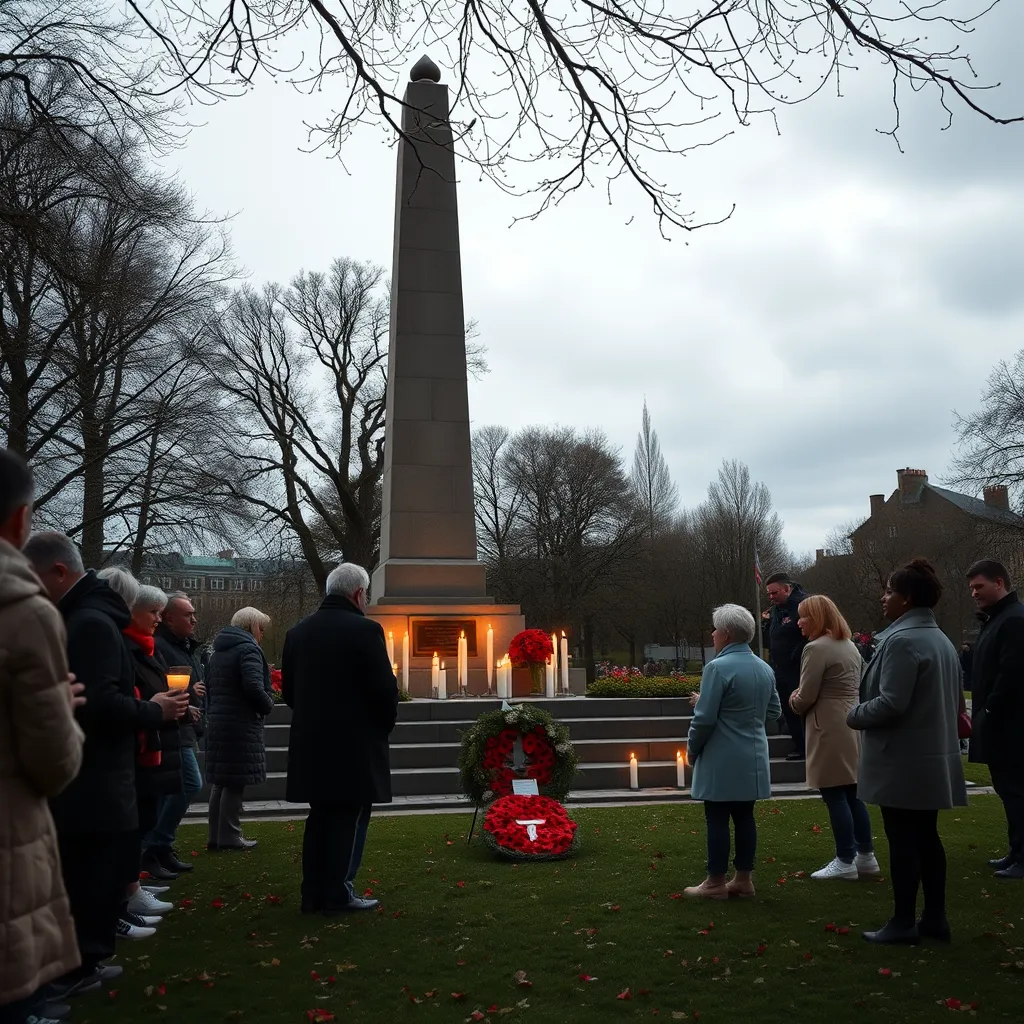
Acts of Remembrance
Ceremonies and moments of silence on Remembrance Day encourage reflection on the sacrifices made. These acts foster a collective memory and shared responsibility to promote peace and prevent future conflicts.
Exploring the Significance of Remembrance Day:
Lessons from the World Wars.
The Importance of Collective Memory
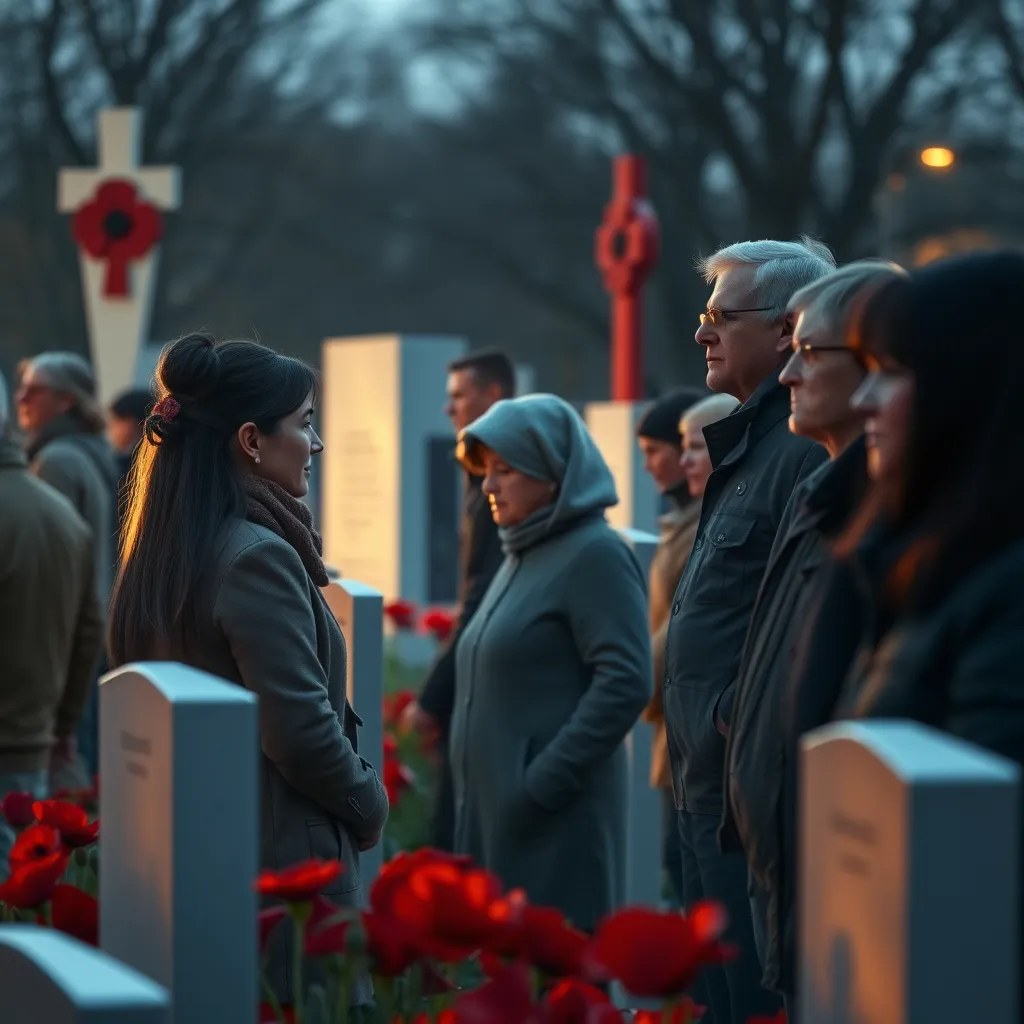
Remembrance Day serves as a powerful reminder of our shared history, reinforcing the necessity to remember those who sacrificed their lives in the World Wars, ensuring their bravery is not forgotten by future generations.
Understanding the Human Cost
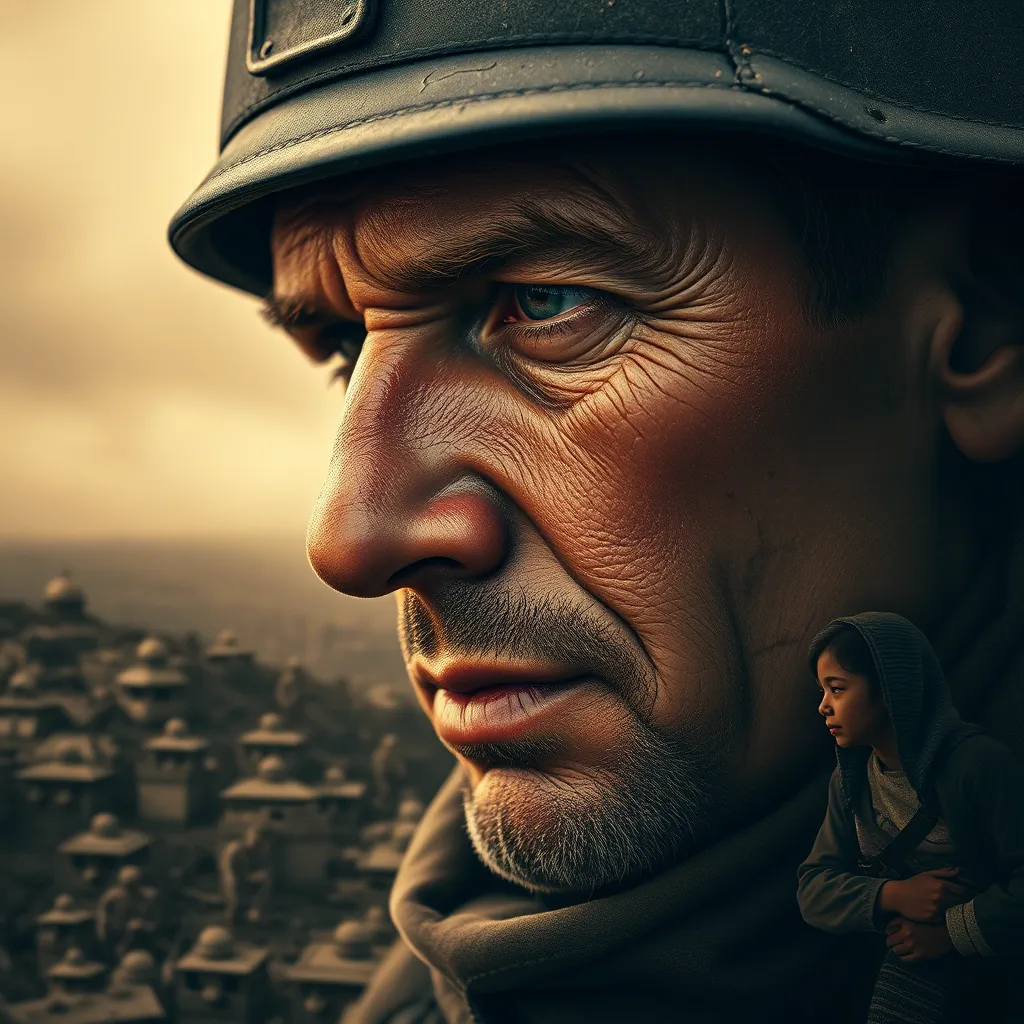
The World Wars inflicted immense human suffering, and Remembrance Day emphasizes the individual stories of soldiers and civilians. Acknowledging these experiences helps us grasp the true impact of conflict on our societies.
A Call for Peace
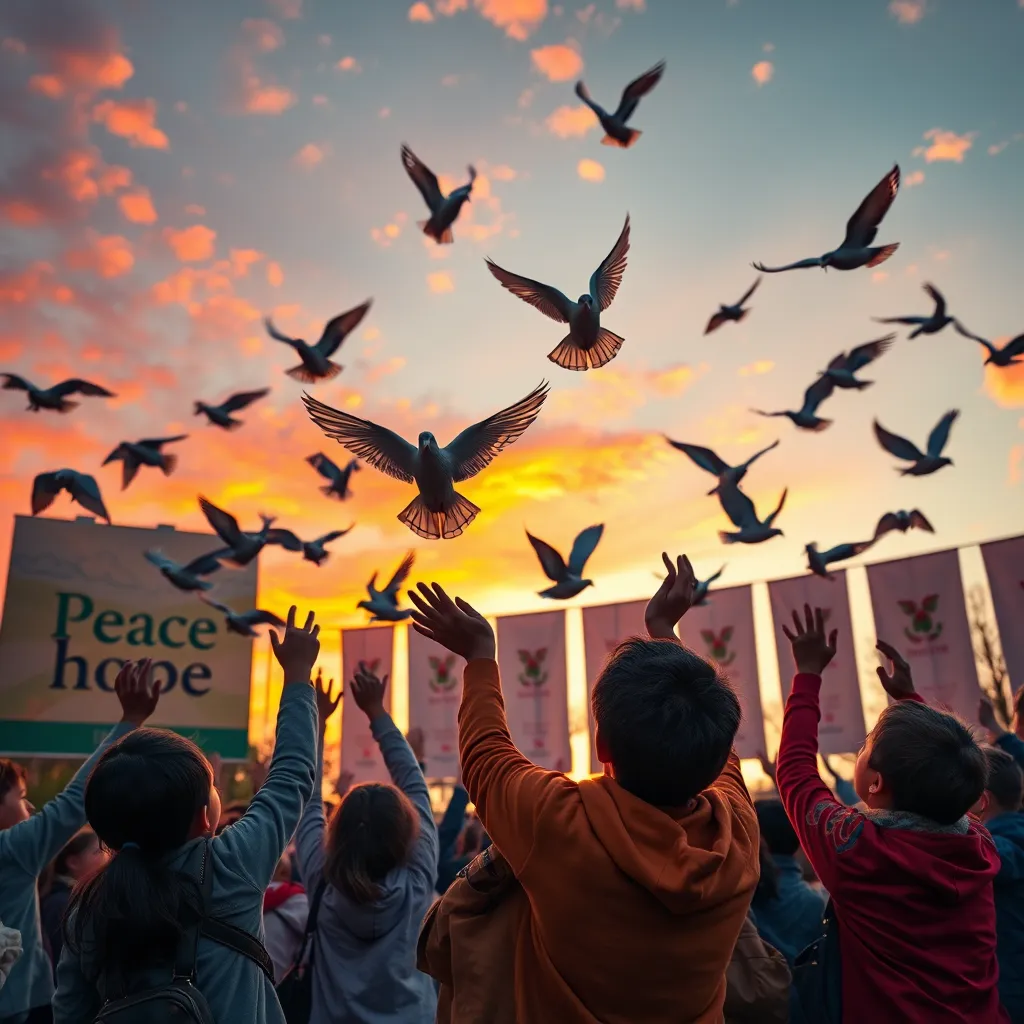
Remembrance Day is not only about honoring the past, but also about advocating for peace. It serves as a reminder that the lessons learned from the World Wars must guide us toward a more harmonious future.
Remembrance Day: Honoring Our Heroes and Reflecting on History
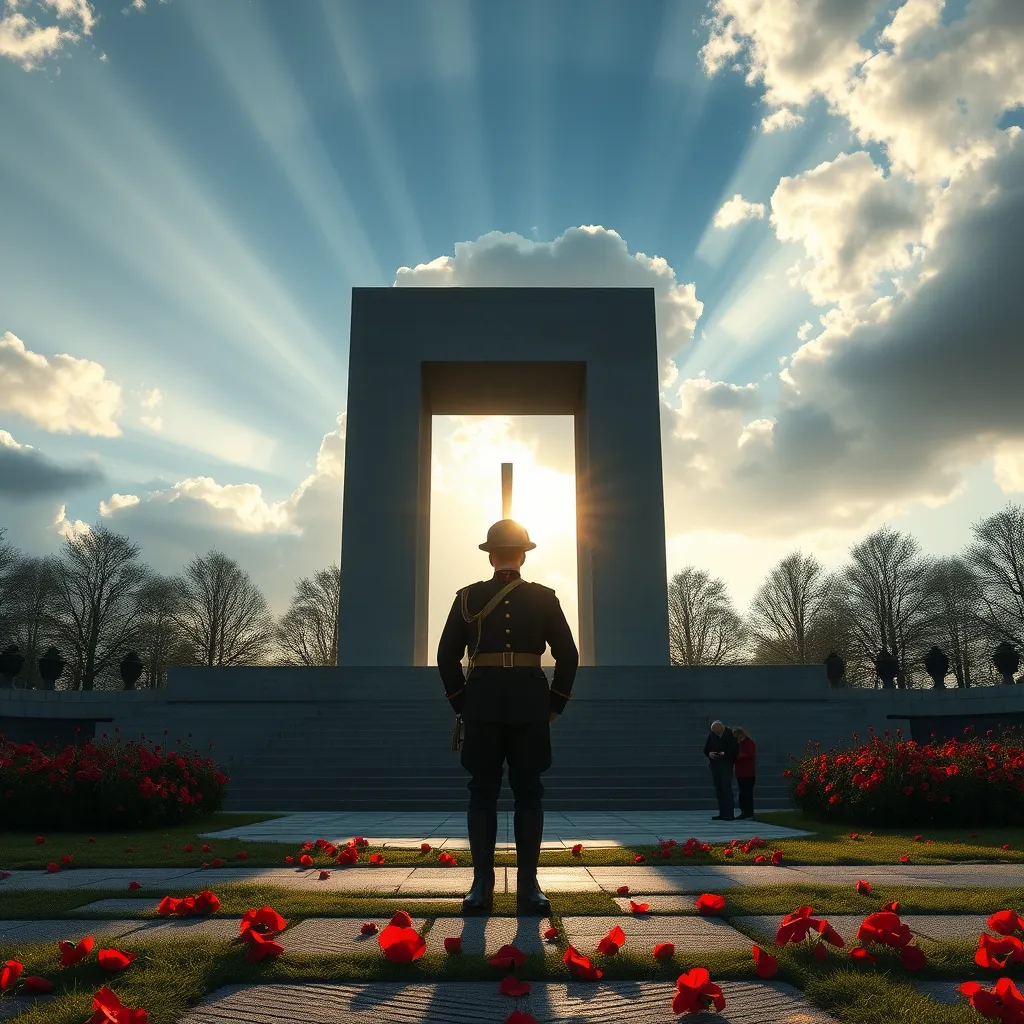
The Purpose of Remembrance Day
Remembrance Day serves as a solemn occasion to honor those who lost their lives in service during the World Wars. It fosters collective memory and ensures that sacrifices are not forgotten.
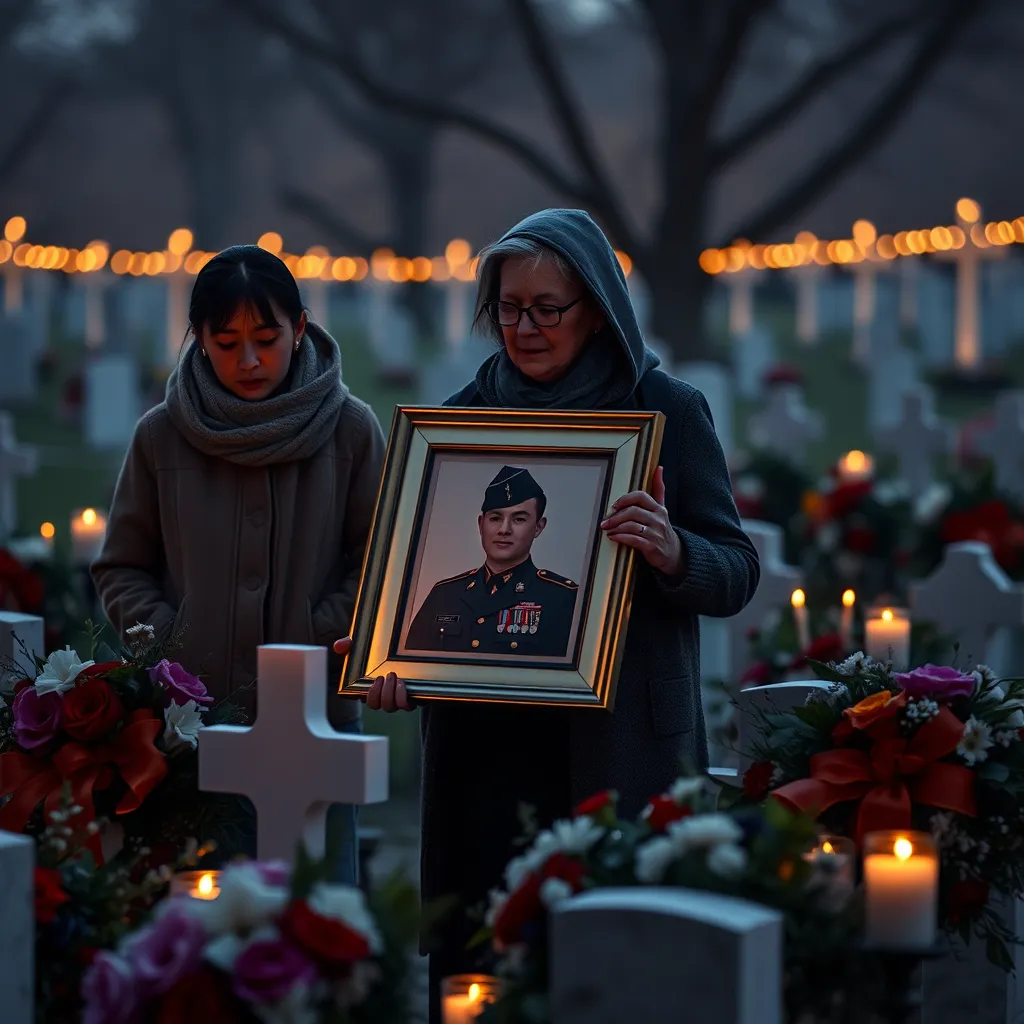
Reflections on Sacrifice
On Remembrance Day, we reflect on the human cost of war. This includes not just the soldiers who perished but also their families and communities affected by their sacrifices.
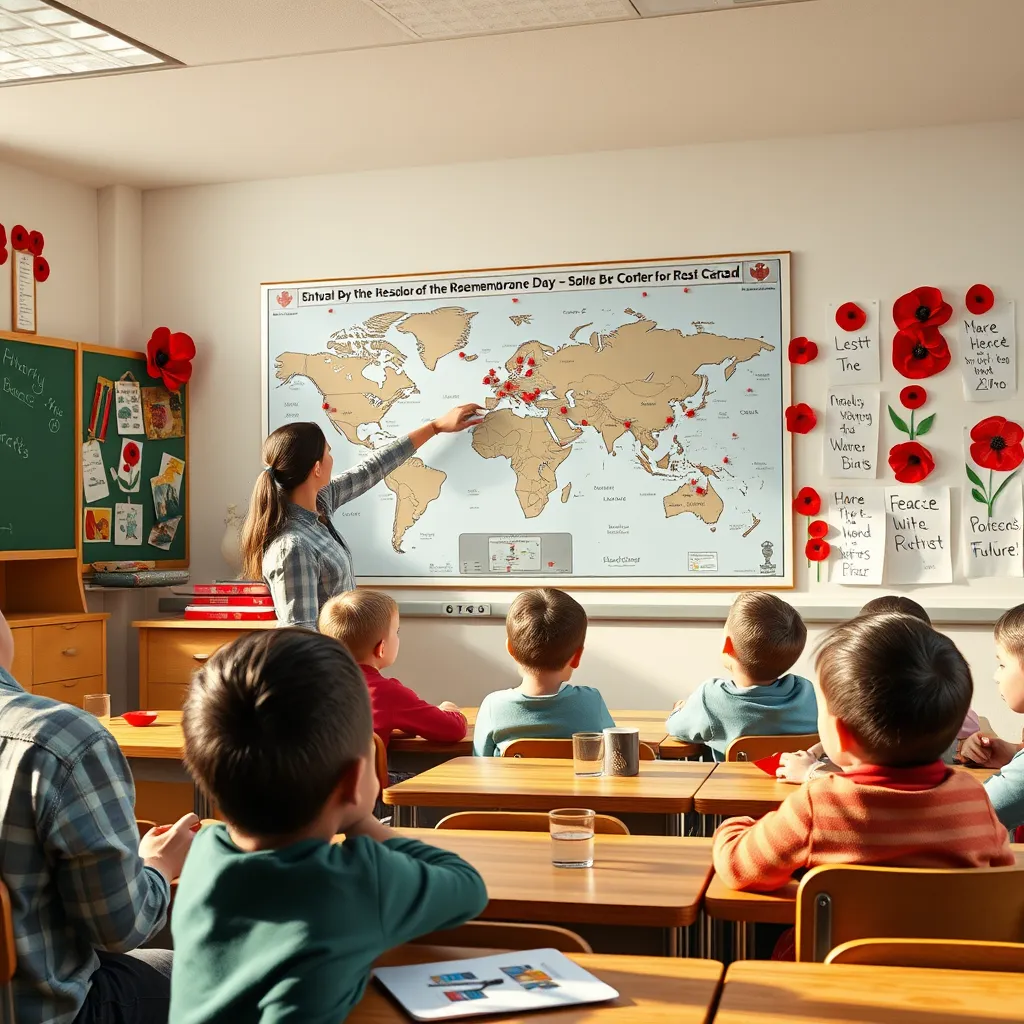
Building a Legacy of Peace
Remembrance Day encourages future generations to learn about history and strive for peace. It promotes understanding and the importance of preventing such conflicts from recurring.
Lorem Ipsum is simply dummy text of the printing and typesetting industry. Lorem Ipsum has been the industry's standard dummy text ever since the 1500s, when an unknown printer took a galley of type and scrambled it to make a type specimen book.
POPPY
Why do we wear poppies in November? What’s the real story behind Remembrance Day? Every November, we come together to honour those who sacrificed everything for freedom, respect, and peace. Remembrance Day isn’t just a day on the calendar—it’s a tribute to courage, history, and resilience. This is the start of a series where we’ll dive into what Remembrance Day really means, why the tradition matters, and how each of us can participate in meaningful ways.
How do we remember our fallen servicemen and women?
Ceremonies and Memorials
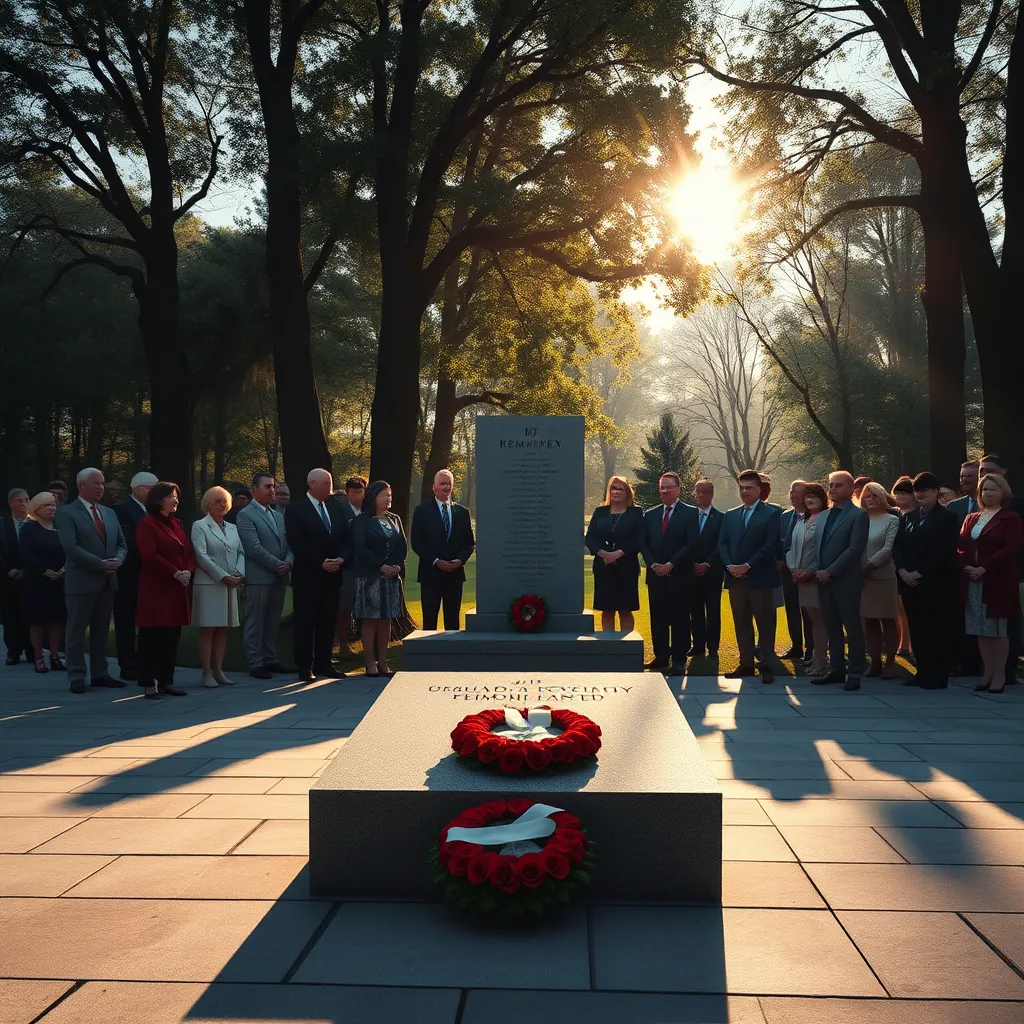
Remembrance Day ceremonies take place globally, featuring moments of silence, readings, and the laying of wreaths. These solemn gatherings honor those who sacrificed their lives, allowing communities to collectively reflect on their bravery and service.
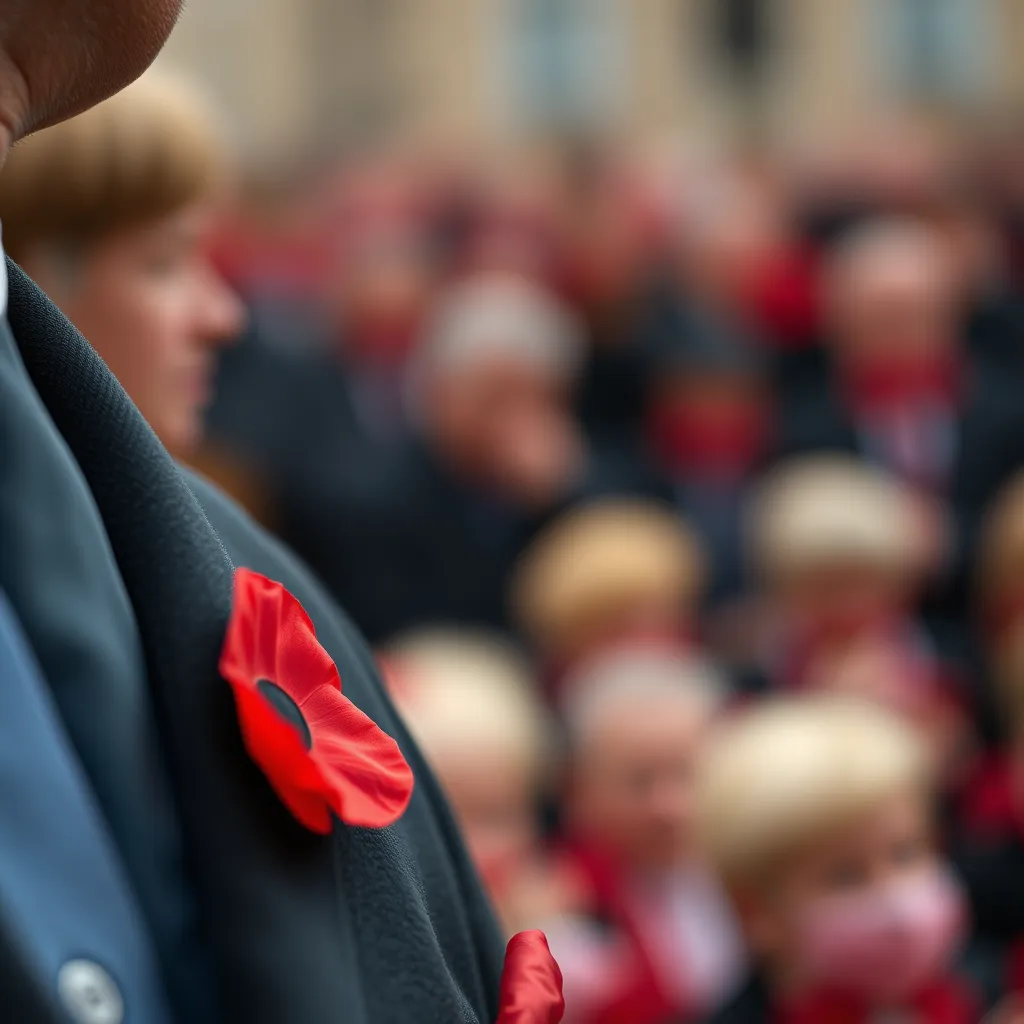
Wearing the Poppy
The red poppy symbolizes remembrance and resilience. Many wear this flower on Remembrance Day to honor the sacrifices made by servicemen and women. It serves as a powerful reminder of the human costs of war and the ongoing quest for peace.
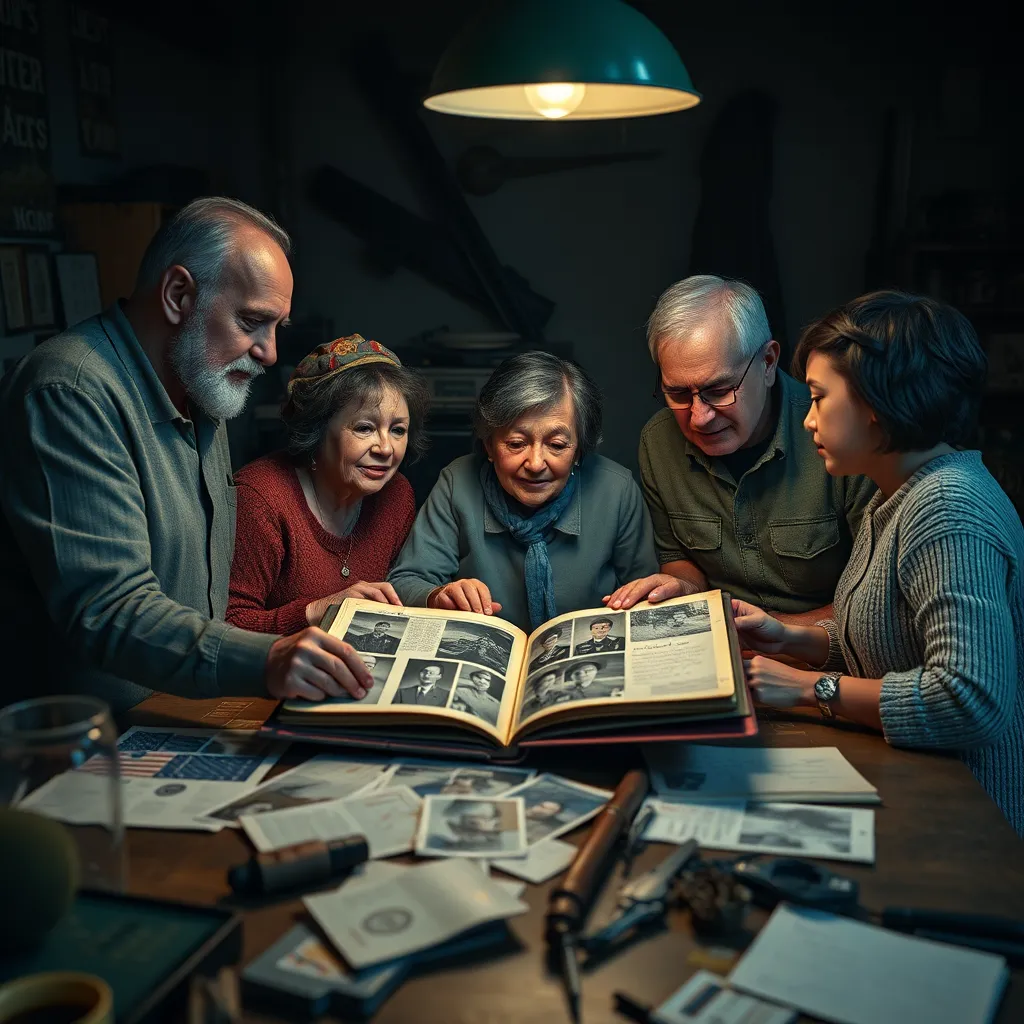
Storytelling and History
Sharing stories of fallen heroes and historical accounts forms a crucial part of remembrance. Schools, families, and communities engage in storytelling, preserving the memories of those who served, fostering a deeper understanding of their sacrifices.
Remembrance Day History
REMEMBRANCE JOURNEY
Lorem Ipsum is simply dummy text of the printing and typesetting industry. Lorem Ipsum has been the industry's standard dummy text ever since the 1500s, when an unknown printer took a galley of type and scrambled it to make a type specimen book.
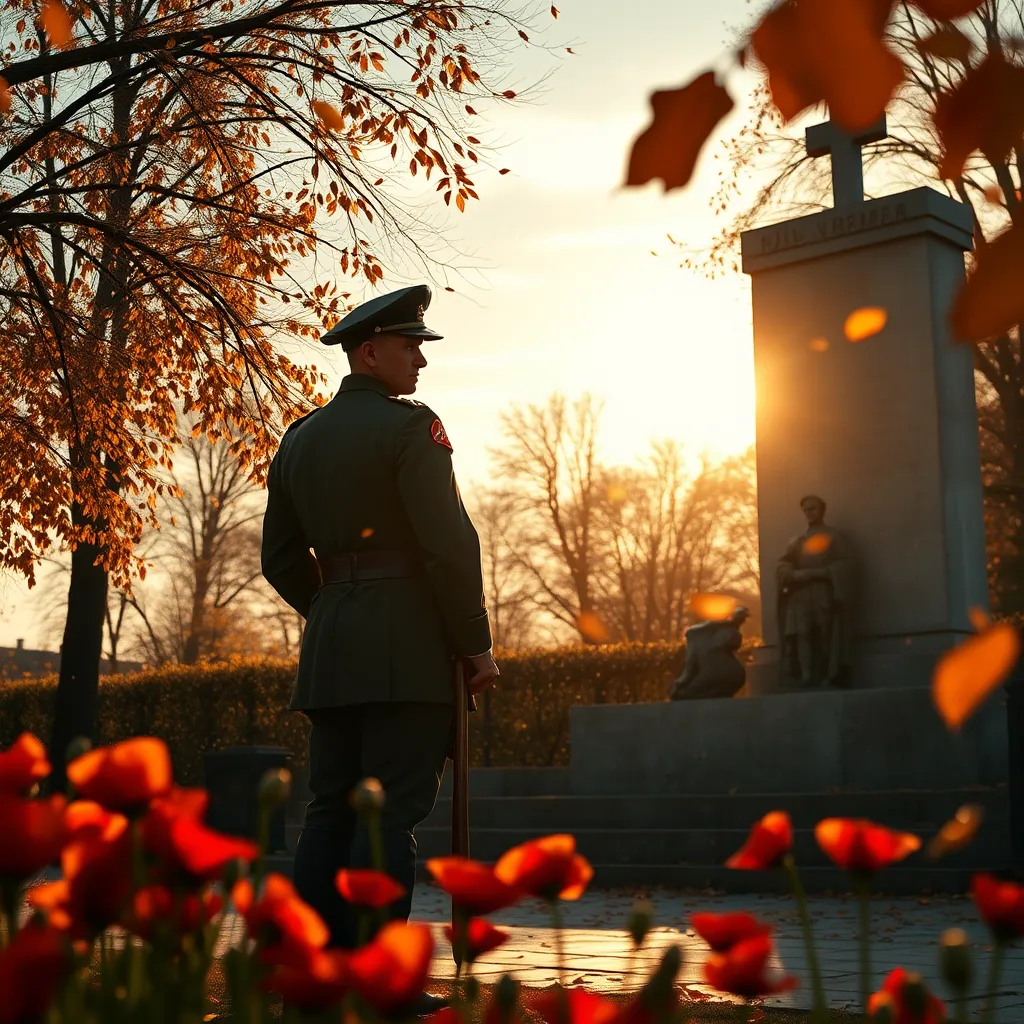
Origins of Remembrance Day
Remembrance Day originated after World War I, marking the armistice of November 11, 1918. It serves to honor the fallen soldiers and civilians, embodying the collective memory of loss and sacrifice during the Great War.
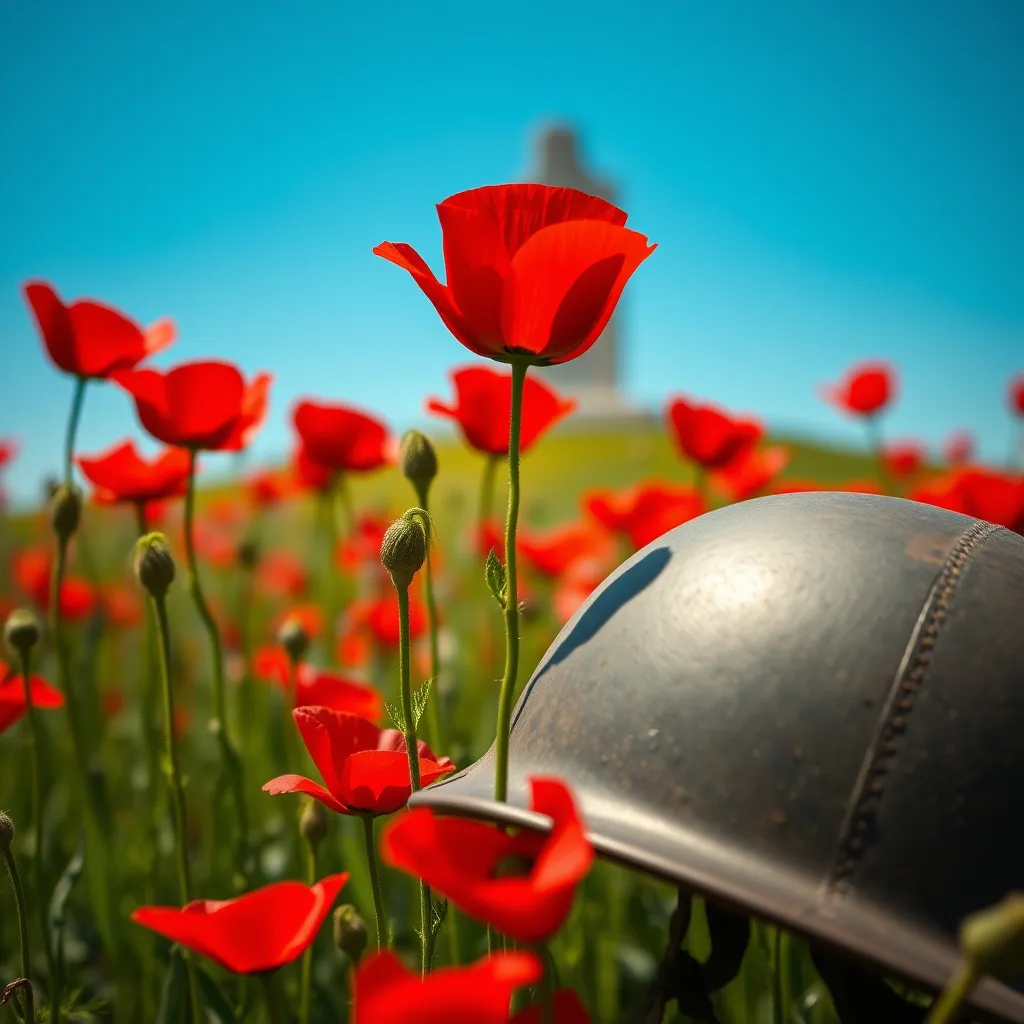
The Symbolism of the Poppy
The red poppy flower became a symbol of Remembrance Day, inspired by the poem 'In Flanders Fields.' It represents the bloodshed and sacrifices made during the wars, reminding us of the lives lost on battlefields.
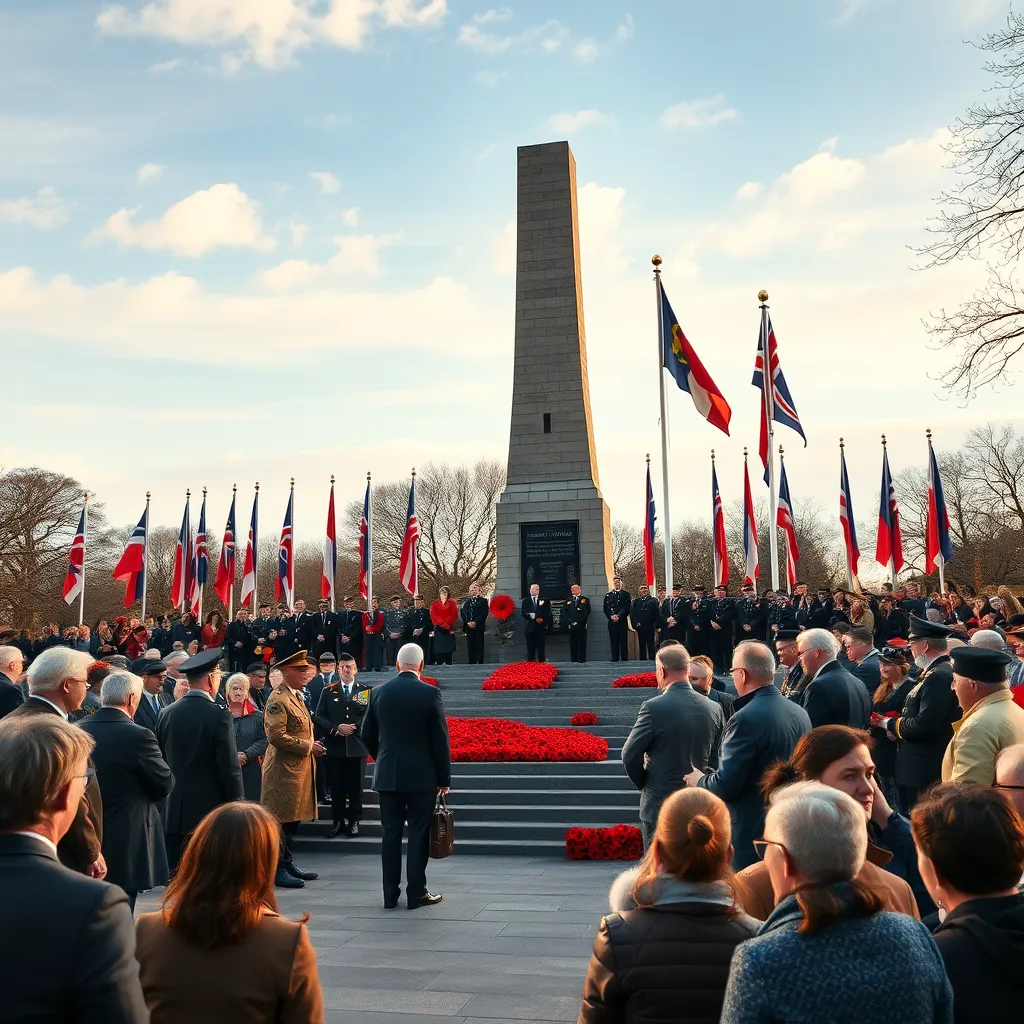
Global Observance of Remembrance
Remembrance Day is observed in various countries worldwide, with ceremonies, moments of silence, and gatherings. Different nations commemorate their own histories, yet the unifying theme is honoring the bravery and sacrifices of military personnel.
REMEMBRANCE DAY
What is Remembrance Day All About?
At 11 a.m. on the 11th of November, we pause, remembering the end of World War I in 1918 and honoring those who gave their lives in all conflicts.
Remembrance Day isn’t just for veterans—it’s for all of us to reflect on our past, appreciate our present, and inspire a peaceful future
Why Do We Wear Poppies? The bright red poppy, growing on war-torn fields, became a symbol of remembrance through the poem In Flanders Fields.
Today, wearing a poppy means showing respect for those who served and a promise never to forget.
UpperRoom-Remembrance Day Services
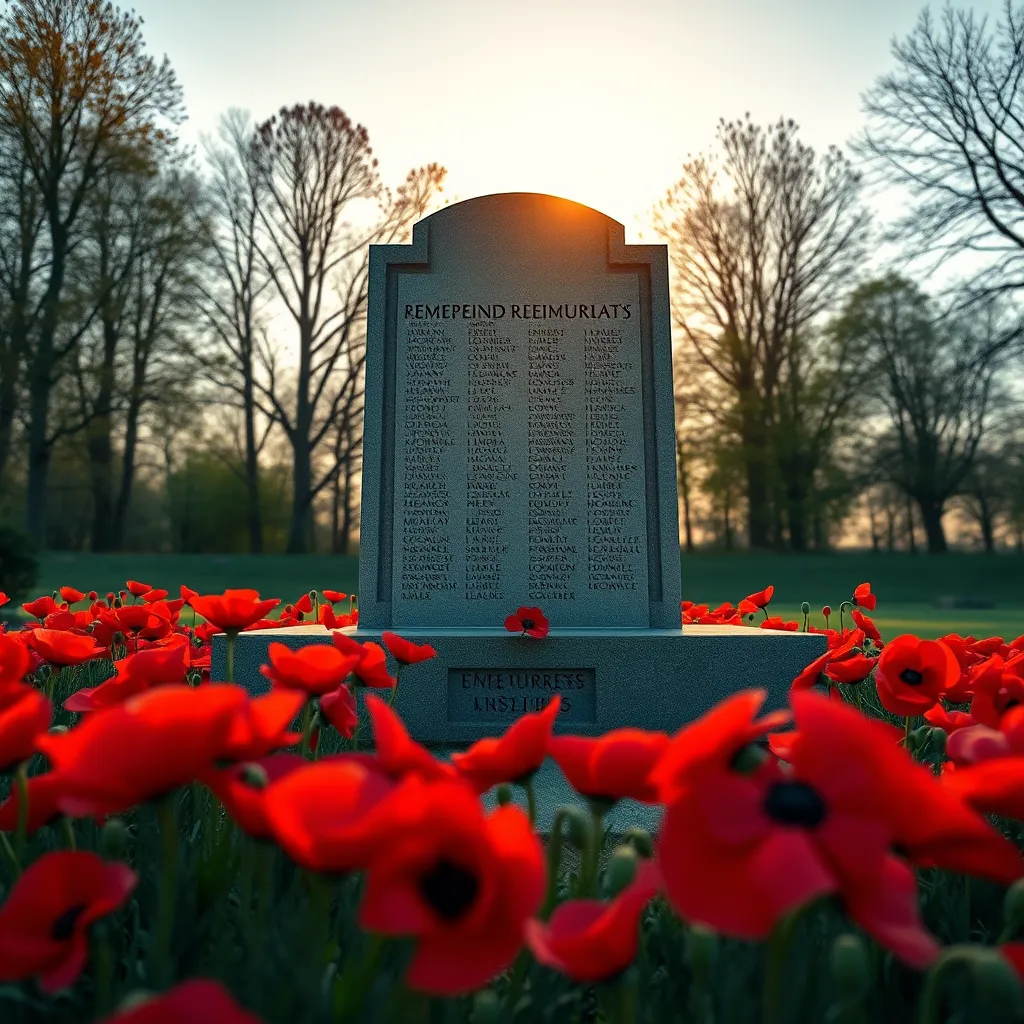
Introduction to Remembrance
A comprehensive overview of Remembrance Day's significance and history.
Honoring the Past: A Journey Through Remembrance Day
Explore the cultural practices and ceremonies associated with Remembrance Day.
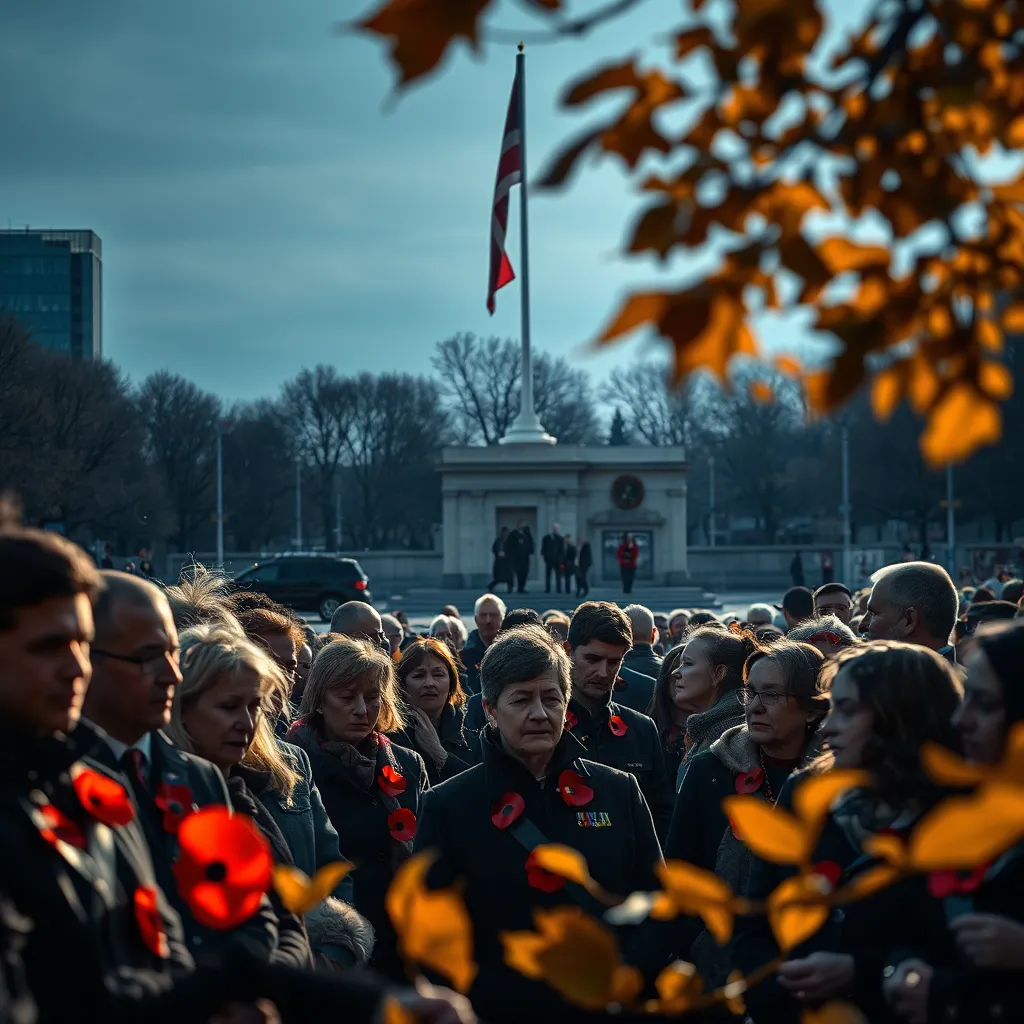
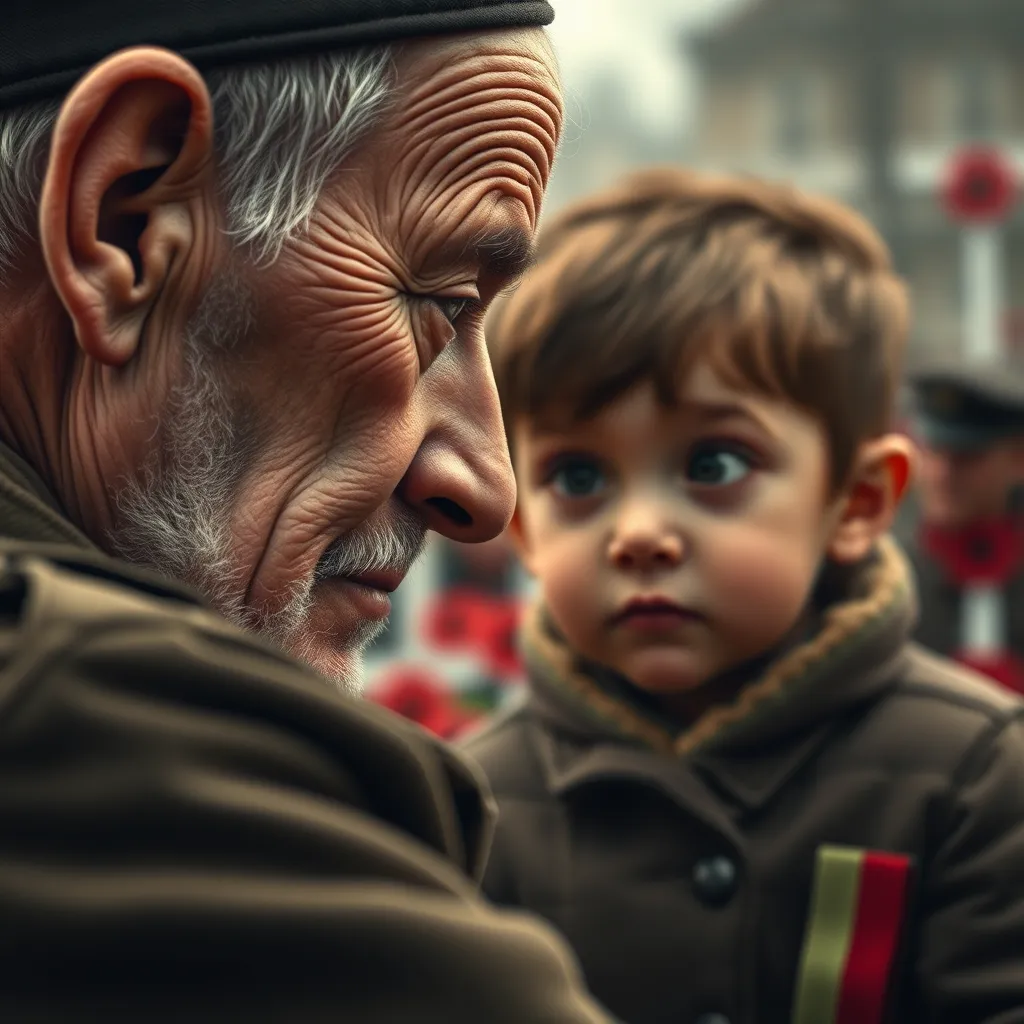
The Human Cost of War: What We Remember on Remembrance Day
A deep dive into the personal stories and sacrifices commemorated on Remembrance Day.
Join us this Remembrance Day at UpperRoom to honor those who served. Discover ways to commemorate their sacrifice through meaningful education and community engagement.
UpperRoom-Remembrance day
Home
Services
About
Contact
ADDRESS:
THE UPPER ROOM PROJECT
GRANTHAM
P:+447905987238/ +447963137094
GET IN TOUCH:
© Copyright 2023